
Like all online marketplaces, eBay is constantly evolving.
Over the last decade, the platform has transformed from a prime destination for casual sellers to a go-to spot for business-minded merchants.
Once a primarily auction-based marketplace for used or collectible items, over 80% of products sold on eBay today are brand new, while the majority of the listings on the platform use Buy-it-Now (fixed price) format.
Furthermore, eBay’s transition to a conversational AI-driven search and shopping experience has changed how sellers approach product listing creation and optimization.
So, if you are considering launching a business on your domestic eBay marketplace, you must consider these and various other factors to ensure that your business is sustainable in the long run.
We’ve gathered actionable tips to help you get your eBay store off the ground in 2026. Let’s take a look at what you need to do before launching a small business on eBay.
Key takeaways
- Mexico, Australia, Germany, and Canada are some of eBay’s fastest-growing marketplaces.
- eBay’s worldwide GMV is projected to increase by 10% to 12% by the end of 2026.
- Although millions of new sellers join eBay every year, most remain casual sellers, while around 22% become active business sellers.
- Electronics, Apparel, Home & Garden, and Auto Parts and Accessories are the best-selling product categories on eBay.
- AI-assisted purchases on eBay are completed 47% faster than those using manual navigation.
- Sellers using eBay Advertising to promote their products can increase listing impressions by 184%.
The overview of eBay marketplaces

Although eBay’s US market attracts around 70% of the platform’s users, millions of shoppers in Germany, Canada, Italy, Australia, and other booming markets use eBay regularly to purchase new, vintage, or refurbished products.
The platform’s core markets are growing rapidly. In Q1 of 2026, eBay’s US market saw a 19% YoY GMV growth, while the Australian market’s YoY GMV grew between 8% and 10% during that time.
These figures indicate that eBay is currently experiencing the fastest growth in years and hint at a durable growth trajectory until the end of the decade.
This presents an enormous opportunity for sellers considering starting an eBay business, as joining the platform gives them instant access to growing markets and a broad audience.
Furthermore, the availability of automation tools has made managing an eBay business much easier, as sellers can use them to streamline nearly all their operations, from listing creation and inventory management to handling customer queries.
Still, transitioning from an individual to a business account is a significant step that requires thorough planning and a detailed brand development strategy.
This process is more challenging in highly saturated markets like the US and the UK due to the high level of competition.
On the other hand, sellers on eBay’s smaller marketplaces have a much easier time entering a niche they are targeting, building a loyal customer base, and scaling their businesses.
Nonetheless, novice merchants entering a saturated market with a high number of established sellers can still gain a foothold with the right marketplace strategy.
Get a hold of eBay’s requirements for registering a business account

Aside from the market analysis, sellers must also understand the compliance requirements they must meet to create a business account and start selling.
The eBay business account registration process involves providing a business address, ITIN or VAT numbers, bank account details, and other information.
Merchants must link their bank account to eBay’s Managed Payment System in order to receive payments, a process that usually takes between three and five business days.
In addition, sellers must consider the platform’s selling fees, since eBay charges insertion fees for accounts with more than 250 product listings and final value fees that cover handling, taxes, shipping, and other costs.
It’s worth noting that final value fees vary by product category and range from 8% to 15%. eBay also applies Regulatory Operating Fees in certain regions, a standardized surcharge that ranges from 0.35% to 0.42% percent that applies to the total amount of the sale.
Merchants should also be familiar with regional product compliance requirements, such as the EU’s EPR and GPSR, or the INFORM Consumers Act in the US, to avoid having their listings removed from the platform and potentially losing sales.
5 tips to get your eBay business off the ground in 2026

Selling on eBay in 2026 is a balancing act between making the platform’s algorithm work in your favour and meeting the customer demand.
During the early stages of developing your eBay seller account, even seemingly unimportant things, like how many new listings you create every week, how quickly you respond to a customer query, or how your listings look in the eBay app, can make all the difference.
Nonetheless, launching an eBay business has never been easier due to the availability of AI tools that eliminate the need for manual management.
These tools only make running an eBay account easier, but having a well-rounded strategy for sourcing, listing optimization, advertising, and fulfilment is still necessary for sustainable business growth.
We’ve gathered tips to help you scale your business from the ground up on your domestic marketplace, so let’s take a look.
Analyze product demand and tap into market trends before starting a business on eBay
Find your niche. That’s the advice most novice merchants on eBay get when they decide to make the transition from casual to business sellers.
However, knowing which products you want to sell and where to source them isn’t enough to thrive in a competitive marketplace like eBay.
According to the latest statistics, around 10% of eBay sellers produce the items they sell, while over 30% of merchants are resellers.
In other words, by searching for your niche, you will be following in the footsteps of your competitors, unless you produce the products you intend to sell on eBay.
So, instead of looking at the niche the products in your inventory would fit in, you should analyze the product demand in your domestic marketplace.
For example, the best-selling products come from a handful of categories, such as Electronics or, Clothes, Shoes & Accessories. Still, each category has multiple subcategories that offer novice merchants ample opportunities.
Starting a business specializing in retro digital cameras, vintage gaming consoles, or luxury apparel can help you establish a strong presence in your domestic eBay marketplace.
Additionally, monitoring and tapping into marketplace trends can help you scale your business faster, as growth across different eBay marketplaces is driven by high demand for refurbished electronics, circular economy initiatives, and AI-enhanced shopping.
Get your pricing strategy right
Choosing a pricing strategy that simultaneously attracts customers and protects your profit margins can be challenging in a marketplace where millions of sellers compete for each customer.
Besides seasonality and major online sales events, like Black Friday, the right pricing strategy for your business will depend on how quickly you can build up your seller performance metrics and your store’s sales velocity, among other factors.
Opting for the penetration pricing strategy might be a sound decision if your goal is to attract shoppers quickly, but it will make it difficult to protect your profit margins in the long run.
Using the Sold Listings filter for specific products you’d like to add to your store in eBay’s standard search will enable you to see the prices at which your competitors sold that item in the last 90 days.
Furthermore, maintaining a dynamic pricing approach, supported by automation tools throughout the year, will allow you to adjust prices based on product demand, market conditions, seasonal opportunities, and customer expectations.
It’s worth remembering that the final price your potential buyers see should include shipping costs and all other charges to avoid surprise costs that may cause a shopper to abandon the cart.
Master SEO and GEO
The process of search engine optimization involves much more than researching keywords and adding them to product listings.
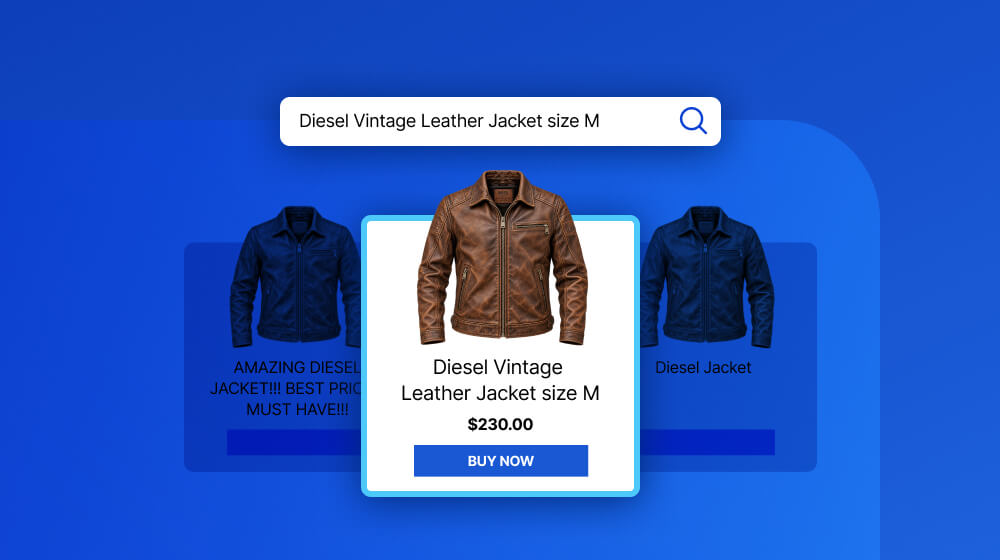
Your SEO strategy should include your approach to how you create product photos, whether you want to record videos that showcase an item’s key features, and the way you write and structure listing titles and product descriptions.
Although front-loading keywords in listing titles is an important SEO tactic, you should also ensure that your product descriptions include primary and secondary keywords.
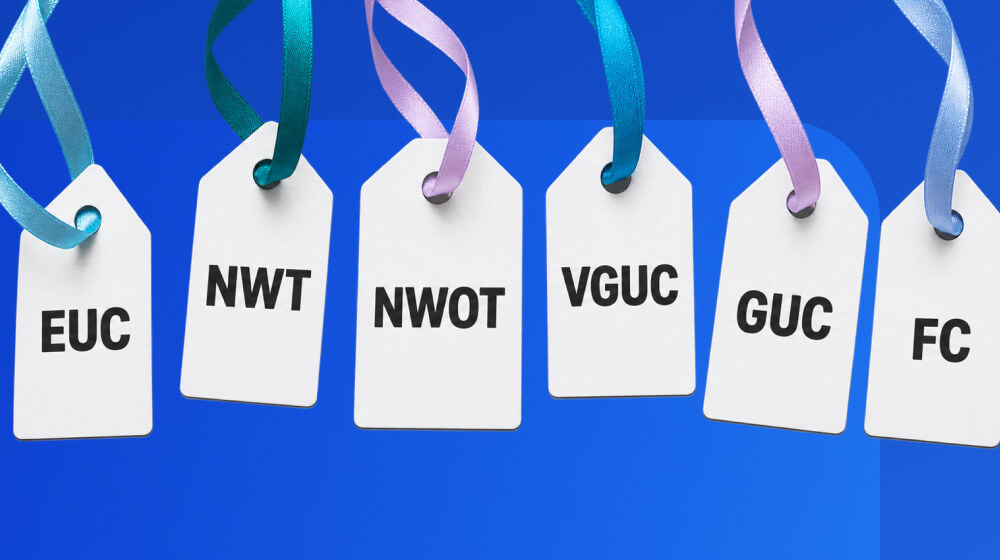
More importantly, you must include essential information about a product in a listing, such as the item condition, shipping and return policies, what’s included with the product, and its technical specifications.
Generative Engine Optimization is an extension of SEO, so to ensure that your listings are discoverable by eBay’s AI algorithm, you should populate the Item Specifics section and use bullet points to structure the information you add to the product description.
Promote listings to expand their reach

Allocating a budget to promote your products on the platform from day one will improve their visibility and help you reach a broader range of potential buyers.
The eBay Advertising program allows you to promote your listings, your store, or promote your listings off-site through channels like Google.
The Promoted Listings tool lets sellers choose a strategy type and decide whether they want to use the Cost-Per-Sale (general strategy) or Cost-Per-Click (priority strategy) model.
Although the general strategy is better suited for novice sellers due to its simple setup and campaign management, the recent update has made this advertising model on eBay more expensive.
Even so, using the CPS model can increase a listing’s number of impressions by 4 to 5 times compared to organic results.
On the other hand, the priority strategy offers advanced targeting and bidding options, and it can boost page view metrics by over 300%.
However, it’s paramount to review the campaign results frequently and adjust your advertising approach accordingly.
Find the right shipping and returns solutions
Building a strong seller reputation on your domestic eBay marketplace takes time, which is why it’s paramount to keep Late Shipment Rate and Item Not Received metrics low while uploading valid parcel tracking numbers within the handling time you specified in the product listing.
Additionally, fast shipping and free returns aren’t just a way to keep negative feedback at a minimum and provide excellent customer service. They also considerably reduce cart abandonment rates and increase the product listing’s visibility on eBay.
The platform’s AI-driven search prioritizes listings that offer free shipping or fast delivery times, so if your handling time for items from Electronics or Clothing, Shoes & Accessories categories exceeds two days, your products may not be featured in the first-page results.
Consequently, you will need a reliable shipping and returns solution for your business that enables you to fulfil orders quickly and allows shoppers to return items free of charge.
Building a resilient business on your domestic eBay marketplace
2026 is an exciting time to launch an eBay shop, as the platform is steadily growing across its global marketplaces.
Hence, joining the platform’s US, UK, German, Australian, or other marketplaces presents sellers with opportunities to scale their businesses.
Still, building an eBay business from scratch can be challenging, even with a well-rounded strategy, as managing product listing optimization and advertising returns simultaneously can be overwhelming.
If you’re struggling to scale your business, Webinterpret’s Domestic eBay Sales Accelerator might be the perfect solution for you. Schedule a call to learn more!
About Webinterpret
Webinterpret supports merchants selling on eBay.
Our AI-based solutions enable more effective selling through automated listing localisation, optimisation, advertising, and returns, and ensure all products placed on EU markets are GPSR-compliant.
By giving your international and domestic customers a full, end-to-end local shopping experience, Webinterpret improves your conversion rates and helps establish your business locally and globally.