

The European Union is the third-largest ecommerce market in the world and the world’s largest single market.
The value of its ecommerce market is projected to grow by 7.24% between 2024 and 2028, making it one of the most attractive destinations for international sellers on online marketplaces.
However, the influx of products from third countries has increased the exposure of EU consumers to harmful products.
The number of dangerous non-food product alerts registered by the Safety Gate system has increased over the last few years, growing from 3,412 in 2023 to over 4,200 in 2025.
At the same time, the volume of low-value parcels entering the EU has skyrocketed since 2023, increasing from 2.3 billion to 4.6 billion in 2024.
According to early projections, the number of parcels valued at €150 or less expected to enter the EU in 2025 will exceed the €6 billion mark.
Consequently, abolishing the EU’s de minimis threshold should prevent such a high influx of low-value items into the bloc’s member states.
Keep reading to learn more about the end of the EU’s 150-euro customs duty exemption and the upcoming EU regulations that will affect sellers on online marketplaces.
Key takeaways
- A transitional solution will come into effect in early 2026, eliminating the €150 customs duty exemption for low-value parcels.
- Ecommerce platforms must cover the 2-euro parcel processing fee for all packages imported and delivered to consumers from outside the EU.
- The abolishment of the EU’s de minimis exemption won’t affect the core VAT rules.
- The €150 exemption will be removed entirely from the law after the rollout of the EU Customs Data Hub in 2028.
What is the EU’s de minimis exemption?
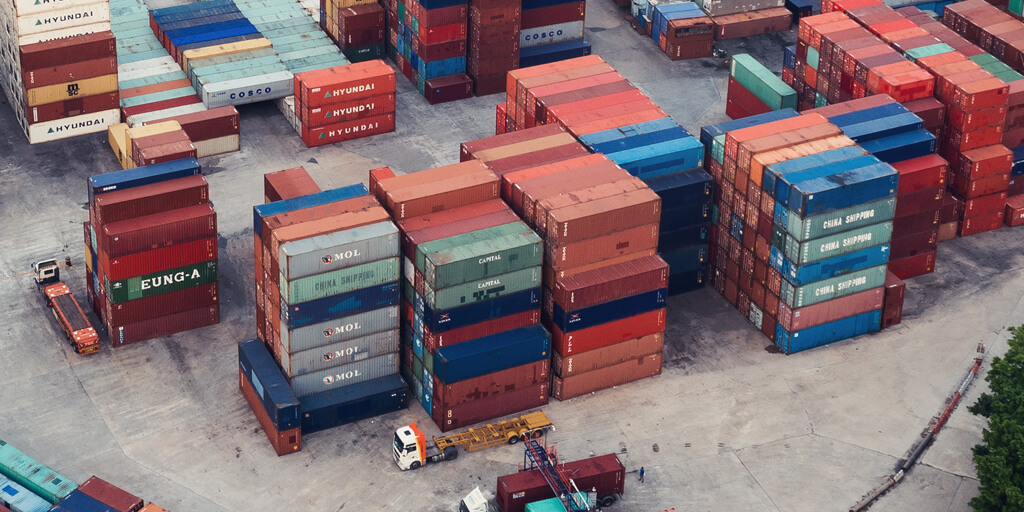
The de minimis rule for low-value shipments was formalized in 2009, replacing older regulations, to reduce the customs burden and administrative tasks associated with shipping low-value parcels to consumers in the EU from third countries.
Similar to the US’s de minimis rule, the EU’s €150 customs tariff exemption was intended to expedite the processing and delivery of low-value parcels, thereby eliminating the need for formal customs procedures.
This rule was particularly beneficial for direct-to-consumer ecommerce transactions, as it simplified and streamlined cross-border sales.
However, the dizzying growth of Temu, Shein, and similar online marketplaces over the last few years has largely contributed to the sharp increase in low-value parcels entering the EU.
Over 90% of packages that reached EU borders in 2024 were shipped from China. Furthermore, according to the European Commission’s estimates, more than 65% of those parcels were undervalued or split into multiple packages to stay under the €150 threshold.
Such a state of affairs resulted in an annual loss of revenue of approximately €1 billion, slowing down the bloc’s economic growth and creating an uneven playing field as EU-based online businesses struggled to compete with low prices.
The end of customs duty exemption forces sellers from outside the EU to increase the prices of the products they offer on online marketplaces in the EU, creating a level playing field for sellers based in member states.
The timeline for the EU’s customs reform
The abolishment of the de minimis rule for low-value parcels is a part of a broader EU customs reform, the most comprehensive reform of the EU Customs Union since its establishment in 1968.
Here’s the overview of the reform’s timeline:
- The European Commission proposed the reform in May 2023, outlining the timeline of the implementation over the next 15 years.
- In July 2025, the European Parliament adopted proposals to limit and manage the stark increase in low-value parcels and potentially harmful products arriving in the EU from non-EU online marketplaces and web shops.
- Only two months after the repeal of the de minimis rule in the US, EU lawmakers reached a political agreement to streamline the process and remove the €150 exemption for low-value items in the first quarter of 2026. The temporary framework for collecting duties is still in development and is expected to be the focal point of the ECOFIN meeting in December 2025.
- After the two-year transitional period, Digital Customs Hub, a major update of the Union Customs Code aimed at handling the growth of the ecommerce industry, will become available in March 2028, deeming online marketplaces as importers and making it mandatory to calculate VAT and customs at checkout.
The second phase of the reform process, which involves expanding the use of the Digital Customs Hub beyond ecommerce importers, should begin in 2032 and take approximately three years.
The customs reform in the UK
After announcing the review of the customs treatment of low-value parcels in April 2025, the UK government revealed its plan to repeal the current duty exemption for low-value consignments by March 2029 in its 2025 Autumn Budget, published in November.
Following in the footsteps of the US and the EU, the UK intends to remove the customs duty exception for parcels valued at or under £135.
The consultation paper released in November 2025 outlines the proposed reform, including how tariffs should be applied and whether LVIs should be subject to additional fees.
The plan should enter into the next phase after March 6, 2026, when the Government stops accepting feedback on the proposed changes.
The impact of ending the customs duty exemption for low-value goods on the ecommerce industry
The repeal of the de minimums exemption in the US has created a momentum for the EU to speed up the reform of its customs duty rules for low-value items.
Hence, the Union’s decision to abolish its €150 customs duty threshold reflects a global push toward tightening the regulations on low-value imports.
These changes will have a profound impact on international ecommerce sellers as they will likely create logistical and regulatory challenges.
Let’s take a look at how the abolition of the EU’s de minimis rule will impact international sellers on online marketplaces.
Higher costs for sellers
Aside from covering the tariffs for all consignments they ship to consumers in the EU, sellers will also have to add handling fees to their costs.
From 2026 onward, the €2 fixed customs handling fee will be applied to all low-value goods imported into the EU, shipped to shoppers from non-EU countries.
Alternatively, a handling fee of €0.50 will be charged for all low-value shipments directed to warehouses in the EU before being sent to buyers.
The European Commission is expected to release the simplified tariff structure by the end of 2025 or in early 2026, which should make the duty calculation easier.
Additionally, the Commission proposed an expansion of the Import One-Stop Shop (IOSS) system, which simplifies VAT declaration and payment for low-value items.
The proposed changes will enable the collection of VAT, tariffs, and the fixed handling fee at checkout, potentially reducing the burden on EU Customs Authorities.
Additional compliance requirements for sellers based outside the EU
The GPSR has already created significant regulatory hurdles for international sellers by making it mandatory to provide a long list of documents that prove a product’s compliance with the EU’s product safety regulations.
The repeal of the EU’s de minimis rule will introduce additional administrative requirements that sellers must meet to fulfill orders in EU member states.
Besides collecting duties and tariffs, merchants will need to submit invoices, complete customs declarations, and provide transport documentation for each parcel they ship to consumers within the EU.
The increased compliance burden will make it more challenging for international sellers to handle large volumes of orders, and it may affect all aspects of their fulfilment process.
Longer delivery times for parcels entering the EU
Low-value parcels shipped from outside of the EU are likely to spend more time at the border once the abolishment of the EU’s de minimis rule goes into effect in early 2026.
Relegating millions of packages to the full customs regime will slow down the delivery process since EU Customs Authorities will have to process vast quantities of duty and customs data.
Furthermore, parcels with incomplete and incorrect customs declarations may be held for manual customs controls, which would further delay their delivery to consumers.
How can online sellers prepare for the end of the European Union’s €150 customs duty exemption?
The repeal of the EU’s de minimis rule will create challenges for international sellers who ship large volumes of low-value parcels into the EU.
To avoid potential delays and sales losses, international sellers should prepare for the upcoming changes.
Most importantly, merchants must review their import and cross-border fulfilment procedures by identifying the items in their inventories that currently rely on the €150 customs duty exemption to assess how many will become liable to duty.
Moreover, sellers should gather information on the country of origin, HS codes, and all other relevant details about the products to determine the tariff bracket for each of their dutiable products.
Merchants must also review their Incoterms and decide if they want to make buyers responsible for paying the duties by using the DAP (Delivered at Place) shipping model or switch to the Delivery Duty Paid (DDP) model.
Furthermore, sellers should assess how charging duties at checkout affects their pricing strategy and explore storing their inventory in EU-based warehouses if the cost of tariffs significantly increases the prices of their products.
Upcoming EU regulations that sellers on online marketplaces should know

The European Union intends to implement a range of regulations that can potentially have considerable ramifications for the ecommerce industry.
These regulations range from strengthening the bloc’s commitment to sustainable ecommerce to modernizing the VAT collection processes.
Let’s take a look at some of the most important upcoming EU regulations international sellers on online marketplaces should be aware of.
The EU Data Act
The core provisions of the EU Data Act took effect in September 2025, giving online merchants increased access to data generated by their products and sales.
As a result, merchants can request granular data about customer usage or product performance from eBay, Amazon, and other online marketplace providers in the EU, which can help them make more informed decisions on how to manage their inventory or promote products.
Packaging and Packaging Waste Regulation (PPWR)
The PPWR was officially adopted into law in February 2025, but its core rules won’t begin to apply until August 2026.
The Packaging and Packaging Waste Regulation introduces a series of constraints that online sellers must follow, including the maximum amount of empty space allowed per packaging and the revision of the packaging materials.
Moreover, merchants will have to create and maintain technical documentation and a Declaration of Conformity for the composition of packaging materials they use.
VAT in the Digital Age (ViDA) Package
The EU’s comprehensive legislative package, which aims to modernize the VAT system and prevent fraud, was formally adopted by the Council of the European Union in March 2025 and entered into force in April 2025.
The ViDA Package is comprised of three pillars:
- The digital reporting requirements,
- VAT treatment of the platform economy
- Single VAT registration
Its implementation will occur in stages, with major milestones scheduled for 2027, 2028, and 2030.
Getting ready for compliance challenges in 2026
The scope of the impact the abolishment of the EU’s de minimis rule will have on the ecommerce industry will reshape global trade
Still, international sellers can expect longer delivery times for low-value parcels and mounting administrative tasks during the transitional period that starts in early 2026.
That’s why businesses must audit their inventories to determine how many of their products rely on the €150 customs duty exemption and gather the information they need to meet the import duty obligations.
Most importantly, sellers must decide whether they want to pass on the additional customs duty and handling costs to customers or absorb the increased landed cost of their products.
Webinterpret helps eBay sellers expand beyond their domestic markets. Reach out to find out how we can help your business prepare for compliance challenges in 2026.
About Webinterpret
Webinterpret supports merchants selling on eBay.
Our AI-based solutions enable more effective selling through automated listing localization, advertising, and returns and ensure all products placed on EU markets are GPSR-compliant.
By giving your international customers a full, end-to-end local shopping experience, Webinterpret improves your conversion and helps establish your business globally.