

Are you wondering whether it’s legal to buy products and resell them for profit on an online marketplace like eBay?
Having a detailed answer to this question is equally important whether you’re clearing out your closet or considering setting up a resale business as a side hustle.
We have good news for you!
Reselling is perfectly legal in the United States because of the first sale doctrine, which gives consumers the right to resell items they’ve bought legally.
Still, reselling comes with a strict set of rules and restrictions you can’t ignore.
Selling counterfeits, violating trademark laws, or skipping out on taxes is illegal, and online marketplaces have policies to prevent sellers from listing such products on their platforms. What’s more, some items need special licenses or permits.
This guide will walk you through the basics of legally reselling products in the United States. You’ll get the gist of which laws protect your right to resell, under which circumstances reselling products becomes illegal, and what you need to do to protect your business from legal challenges.
Whether you’re only offloading a few old items to declutter your home or building a business, playing by reselling rules will keep you safe.
Legal foundations of reselling in the United States
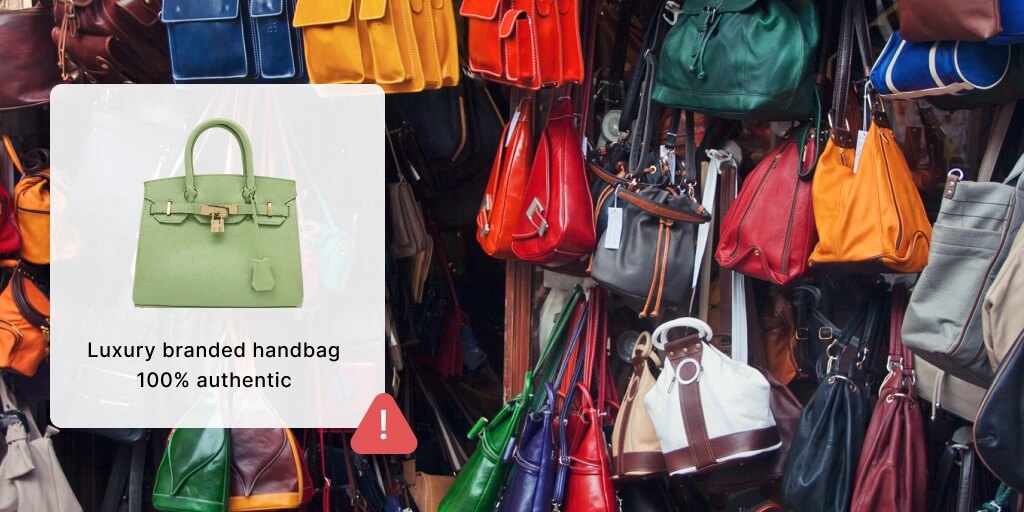
Reselling is legal in the United States because of the first sale doctrine, which guarantees that consumers can resell items they’ve lawfully bought.
Two Supreme Court cases have shaped the first sale doctrine and established the legal resale guidelines for merchants on online marketplaces.
Understanding the First Sale Doctrine
The first sale doctrine is the foundation of resale law in America. Basically, the doctrine established that after an individual or a business buys a genuine item, they don’t need the manufacturer’s or copyright holder’s permission to sell it again.
This doctrine stems from copyright and trademark laws that limit the extent of control brands have after the first sale.
Once you own a physical product, the manufacturer’s rights are exhausted, meaning that you’re legally allowed to resell anything you legally purchased.
The Lanham Act also protects the resale of trademarked goods and is the reason online sellers can use brand names to accurately describe what they’re selling in their online stores without infringing on intellectual property rights.
That’s why eBay listings can feature titles such as “Nike shoes” or “Apple iPhone” without violating copyright laws.
Key Supreme Court decisions shaping resale rights
Bobbs-Merrill Co. v. Straus, decided in 1908, established the initial first-sale doctrine. The case centered on the publishing company that had released a novel at a retail price of $1 but couldn’t control resale prices after the first sale.
The court ruled in favor of the resellers, protecting their right to dictate their own prices for the novel. This case is the legal foundation for reselling as a business today.
Over a century later, Kirtsaeng v. John Wiley & Sons, decided in 2013, was yet another win for resellers, as the Supreme Court ruled that the first sale doctrine applies to products made anywhere in the world, not just those made in the US.
The publishing company filed a lawsuit against a student who bought textbooks in Thailand and sold them in the US. Despite the publisher’s effort to prevent the student from reselling the textbooks, the Supreme Court sided with the defendant.
As a result, hobbyists and professional sellers can purchase products overseas and resell them in the United States.
When does selling branded goods become illegal or risky?
Reselling authentic products you own on eBay or other online marketplaces is legal, but selling counterfeits, stolen items, recalled products, or certain regulated goods is strictly prohibited.
So, ignoring the online platform’s category and product listing rules, or making false claims about an item’s origin, can result in account suspensions and legal action by state or federal authorities against a seller.
Counterfeit goods and trademark infringement
Selling counterfeit goods is illegal under federal law. The Trademark Counterfeiting Act makes it a crime to deal in counterfeit goods, with penalties including fines of up to $2 million and even prison.
Trademark infringement occurs when a merchant places fake branded items or uses a brand name in a way that confuses buyers about the seller’s relationship with the brand. Even if the seller didn’t make the counterfeit product, they can still get sued for reselling it.
It’s your responsibility to make sure what you’re selling is genuine. If you buy from unreliable sources and end up with counterfeit products, online marketplaces will suspend your listings and potentially prohibit you from selling other products on their platforms.
Brands keep a close eye on marketplaces to protect their reputations and collaborate with them to ensure all products comply with copyright laws.
High-risk categories for counterfeits:
- Designer handbags and accessories
- Sneakers and limited-edition shoes
- Electronics and chargers
- Cosmetics and skincare products
- Watches and jewelry
Keep your receipts and consider completing the authentication process for pricer products in your portfolio. It’s better not to list an item if you’re unsure of its authenticity or origin.
Reselling recalled, stolen, or regulated products
Federal law prohibits the resale of recalled items to keep consumers safe. Selling recalled products can invoke civil penalties imposed by the Consumer Product Safety Commission.
Reselling stolen goods is a crime regardless of the seller’s physical location.
You can get charged with receiving stolen property even if you are unaware that the product is stolen, which is why you should never purchase stock from suppliers that cannot provide you with proof of purchase.
Some product categories require licenses, while reselling certain products either online or offline is strictly prohibited.
Alcohol and tobacco are tightly regulated and almost always illegal to resell without permits, as are prescription drugs, medical devices, and contact lenses.
Restricted categories:
| Category | Restriction |
| Recalled products | Federal ban on resale of items under active recall. |
| Alcohol and tobacco | State licensing required. Most platforms prohibit listings of alcohol and tobacco products. |
| Prescription drugs | Illegal to resell without a pharmacy license |
| Firearms | Federal and state licensing rules apply |
Always check recall databases before listing products like car seats, toys, or electronics.
Digital goods and software licensing
Different reselling rules apply to digital goods and software products because buyers receive a license to use the software, not true ownership of the product.
Most software licenses are not transferable to third parties, so their owners cannot resell them. That’s why it is illegal to resell digital downloads, software licenses, or Adobe, Microsoft, and similar types of user accounts.
Although some online marketplaces allow users to resell physical software, such as old CDs or activation codes, digital licenses remain untransferable.
The first-sale doctrine doesn’t apply to digital products the same way it does to physical ones. That’s why you should always read the license agreement before attempting to resell software products.
Material differences and false advertising
A material difference is any change to a product that affects its value, warranty, or buyers’ expectations. If a reseller alters, rebrands, or modifies an item before reselling it, they must disclose those changes in the item’s listing on an online marketplace.
False advertising implies omitting or fabricating information about an item’s condition, authenticity, or features. Saying something’s new when it’s used, promising a warranty that doesn’t exist, or calling a replica authentic, in strictly legal terms, constitutes fraud.
Platforms have strict rules against misleading listings. False claims can trigger buyer disputes, negative feedback, account bans, and, in more complex cases, buyers can take matters to court under state consumer protection laws.
Be honest about flaws and use photos to clearly show the item’s condition when listing products you’d like to resell on online marketplaces. If something’s damaged or has missing parts, note it in your listing. Being upfront protects you from chargebacks and legal consequences.
Common false advertising mistakes:
- Listing refurbished items as brand new.
- Leaving out major defects from product descriptions.
- Using stock photos that don’t match the actual item.
- Claiming you’re an authorized dealer when you’re not.
Platform policies and brand restrictions
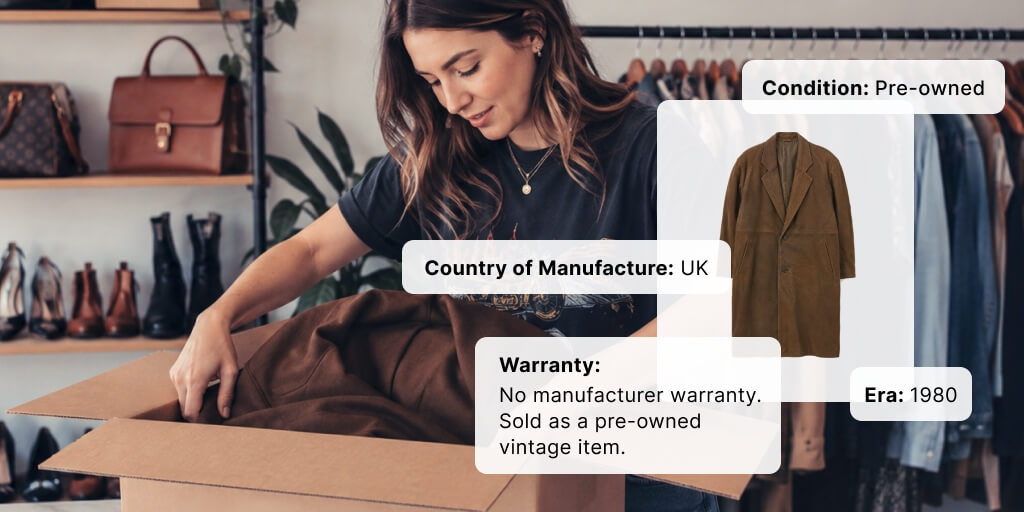
Every online marketplace has its own set of rules on what sellers can offer consumers and guidelines for creating listings for products that merchants want to resell.
Manufacturers also put restrictions on who can resell their products and at what prices.
Reselling rules on eBay, Amazon, and other online marketplaces
eBay allows the resale of most products but forbids counterfeits and requires accurate product descriptions. Amazon has stricter resale policies and may require merchants to provide invoices proving the items were obtained legally.
Read each platform’s terms and conditions before creating a listing for a product you plan to resell because violating the marketplace’s rules can lead to account suspensions.
It’s also important to remember that some online marketplaces require approval for certain categories, like collectibles or electronics.
The differences between authorized and unauthorized resellers
An authorized reseller is someone a product’s manufacturer has approved as the distributor of their products. These sellers usually get perks like wholesale pricing, marketing help, and warranty coverage.
Unauthorized resellers buy products from stores or other sources and resell them without the manufacturer’s permission. Even though this is legal under the first sale doctrine, brands might refuse warranty service or try to limit where their products can be resold.
Some brands have systems in place to block unauthorized resellers on sites like Amazon. These manufacturers might file complaints to remove listings or lock the reseller out of the pages featuring their products.
You can still sell these items legally, but getting your listings approved can be a challenge.
Minimum advertised price and brand programs
Minimum Advertised Price (MAP) policies set the lowest price at which a product can be publicly advertised. Brands use MAP to protect their image and avoid price discrepancies.
Resellers can technically price products below MAP, but they can’t advertise that lower price. For example, you can show a higher price on your listing and reveal the lower price only at checkout. Authorized resellers can lose their status if they violate this rule.
Some companies have reseller programs that require applications and agreements. These programs often include:
- Exclusive access to certain products.
- Marketing materials and product images.
- Better wholesale pricing than retail.
- Protection from other sellers in your niche.
Cross-listing and omnichannel strategies
Cross-listing is the practice of posting the same item on multiple platforms to boost the odds of making a sale. This approach is especially useful for unique or high-value items because it enables you to reach more buyers without needing extra inventory.
It’s paramount to follow each platform’s rules about cross-listing. Amazon, for example, doesn’t allow you to price items higher than on other sites, while other platforms don’t permit dropshipping if you don’t have physical possession of the items.
Always remove listings right after a sale to avoid order cancellations and negative reviews.
Tax, licensing, and compliance for resellers

Reselling products on online marketplaces carries tax obligations, but the actual documents you must obtain or submit to the IRS or local tax authorities depend on your business setup and sales volume.
That’s why it is advisable to understand the difference between income tax and sales tax, when you need permits, and how to keep proper records of inventory and sales.
Income tax, sales tax, and Form 1099-K
Income tax and sales tax are reported to different tax authorities. Resellers must report income tax on their annual federal tax returns, while the sales tax is reported to the state authorities.
Income tax is owed on your profits. Say you buy something for $30 and sell it for $80, in that case, you’ll owe tax on the $50 profit. You must report this income on Schedule C of your federal tax return.
Sales tax is different since buyers pay it at checkout, and it doesn’t affect the reseller’s profits. Even so, the reseller must report it to the state where their business is registered.
The payment processor you’re using will send you a Form 1099-K when your gross sales hit a certain threshold.
This form shows total sales, not your profit. Your taxable income is what’s left after subtracting costs and business expenses, so to calculate your profit, you must keep detailed records of all inventory purchases and expenses.
Sales tax permits and resale certificates
Obtaining a sales tax permit is mandatory for digital merchants because this permit enables them to collect sales tax from buyers.
The permit’s name varies by state, so depending on your location in the US, it may be called a sales tax license, seller’s permit, or certificate of authority. Still, most states require a seller to register for a sales tax permit before completing their first taxable sale.
The permit allows you to obtain a resale certificate that exempts you from paying sales tax on your inventory upfront. Sales tax is collected only once, from the end consumer, so if you’re buying products you plan to resell, you’re not the final buyer.
Thrift stores, wholesalers, and liquidation outlets accept resale certificates, so obtaining one can help you reduce inventory costs. Use the certificate exclusively for items you plan to resell, and not for personal shopping.
Do you need a business license to resell legally?
Whether you need a business license depends on where you live and how you sell. Most cities and counties require you to have one if you’re running a regular resale business from a physical location. For online-only sellers, requirements vary by location.
If you’re just selling the occasional personal item or holding a garage sale, you probably don’t need a license, but if you’re doing retail or online arbitrage regularly, it’s advisable to check the local rules.
You don’t need an LLC or an advanced business entity to resell legally. Lots of people start as sole proprietors with just their Social Security number. Down the line, a different business structure could help with liability, but it’s not required at the start.
Inventory management and recordkeeping
Keep records of inventory purchases, dates, amounts, and proof of purchases. Collect all receipts, invoices, and payment confirmations as they justify your costs and support your tax deduction claims.
Track what you buy, what you sell, and when you sell it to simplify profit calculation and ensure you have all the necessary documentation if you’re ever audited.
Don’t forget that during an audit, you’ll need records that show the difference between your gross sales from your 1099-K and your actual taxable income.
Storing records of minor purchases for at least three years and for seven or more years for larger purchases is recommended. Use a spreadsheet, accounting software, or resale tracking tools to monitor all transactions.
Best practices to resell products legally and responsibly

Running a resale business involves paying attention to authenticity, being upfront with buyers, respecting brands, and knowing the rules around pricing during emergencies. Following the rules helps prevent potential legal complications and builds buyer confidence in your business.
Sourcing genuine goods and avoiding counterfeits
Selling genuine products is the cornerstone of legal reselling, so you must be sure every item you buy comes from a trustworthy source with proper paperwork.
Always collect invoices and receipts when restocking your inventory because they protect you if anyone questions the authenticity of the products you’re reselling. Furthermore, you should regularly check serial numbers, packaging, and product details against official specs.
Retail arbitrage’s legal status hinges on whether it involves buying authentic goods from authorized retailers. Don’t buy from suppliers offering prices that seem too good to be true.
Inspect items closely before listing them. Pay attention to signs of tampering, off logos, poor packaging, or missing authentication features.
Keep thorough records of your suppliers and purchase history. Snap photos of the products to document their conditions and save purchase confirmations to show you acted in good faith if there’s ever a dispute involving one of the items you placed on an online marketplace.
Communicating transparently with customers
How you handle customer service can make or break your legal safety as a reseller. Make sure all product descriptions are accurate and include the item’s condition, its origin, and any warranty limits.
Be clear about whether products are new, used, or refurbished, and note any defects, missing parts, or differences from what the manufacturer originally included with the product because misleading descriptions can violate consumer protection laws.
Lay out your return policy in plain language and ensure it states the timeframe within which a buyer can return a product, the condition items must be in, and who is responsible for covering the shipping cost.
Answer customer questions and complaints quickly. Honest, timely replies stop small problems in their tracks. Keep records of all customer interactions, just in case you need to show you tried to resolve an issue.
Don’t promise manufacturer warranties unless you’ve checked that the company will honor them, since some manufacturers don’t honor warranties for items sold by unauthorized resellers.
Managing brand interactions and avoiding disputes
Reselling legally means respecting trademark rights when selling branded products. You can use brand names to describe items, but don’t imply the brand endorses your business.
Steer clear of using brand logos in ways that suggest you’re an officially authorized reseller unless you have written permission from the company to use their branding in your product listings. Make it clear that you’re an independent reseller, not an official dealer.
Businesses can also set limits on where and how their products are sold, which is why it is necessary to check brand policies before buying inventory. If a brand reaches out about your listings, respond promptly and professionally, and address their concerns.
Keep any authorizations you get from manufacturers or distributors, as they can protect you from legal consequences if your right to sell certain products is questioned.
Avoid altering the product’s original packaging or removing authenticity labels to minimize the chances of potential legal ramifications.
Navigating price gouging and emergency laws
Price gouging laws apply during declared emergencies and limit how much you can charge for essential goods.
Rules differ by state, but most in most states, resellers cannot increase prices more than 10–25% above pre-emergency levels for things like food, water, fuel, medical supplies, or cleaning products.
Breaking these laws can result in fines, lawsuits, or even criminal charges, so you must monitor official emergency declarations in any state where you sell, and update prices quickly if needed. Save records of all product prices before the emergency to prove you’re following the rules.
Online platforms can suspend an account for price gouging, even if local law allows it, because marketplace policies can be stricter than state rules.
Building a reselling business on online marketplaces
Having a thorough understanding of the legal reselling framework enables you to create a portfolio that complies with local, regional, or online marketplace rules.
So, if you’re planning to launch an eBay store that offers a variety of products on multiple marketplaces, you must familiarize yourself with the marketplace’s regional listing restrictions as well as the market’s product safety regulations and other legal requirements you must meet before placing a product on a new market.
Webinterpret is among the most reliable eBay marketplace expansion tools for reselling businesses, helping them establish a strong presence in eBay’s largest markets, such as the US, the UK, and Germany.
Schedule a call to learn more about our eBay Domestic and International eBay Sales Accelerator programs.
About Webinterpret
Webinterpret supports merchants selling on eBay.
Our AI-based solutions enable more effective selling through automated listing localisation, optimisation, advertising, and returns, and ensure all products placed on EU markets are GPSR-compliant.
By giving your international and domestic customers a full, end-to-end local shopping experience, Webinterpret improves your conversion rates and helps establish your business locally and globally.